When Registers Talk to the Cloud: Linking Retail Hardware with Network Processing and Rule Adherence for Steady Revenue Flows
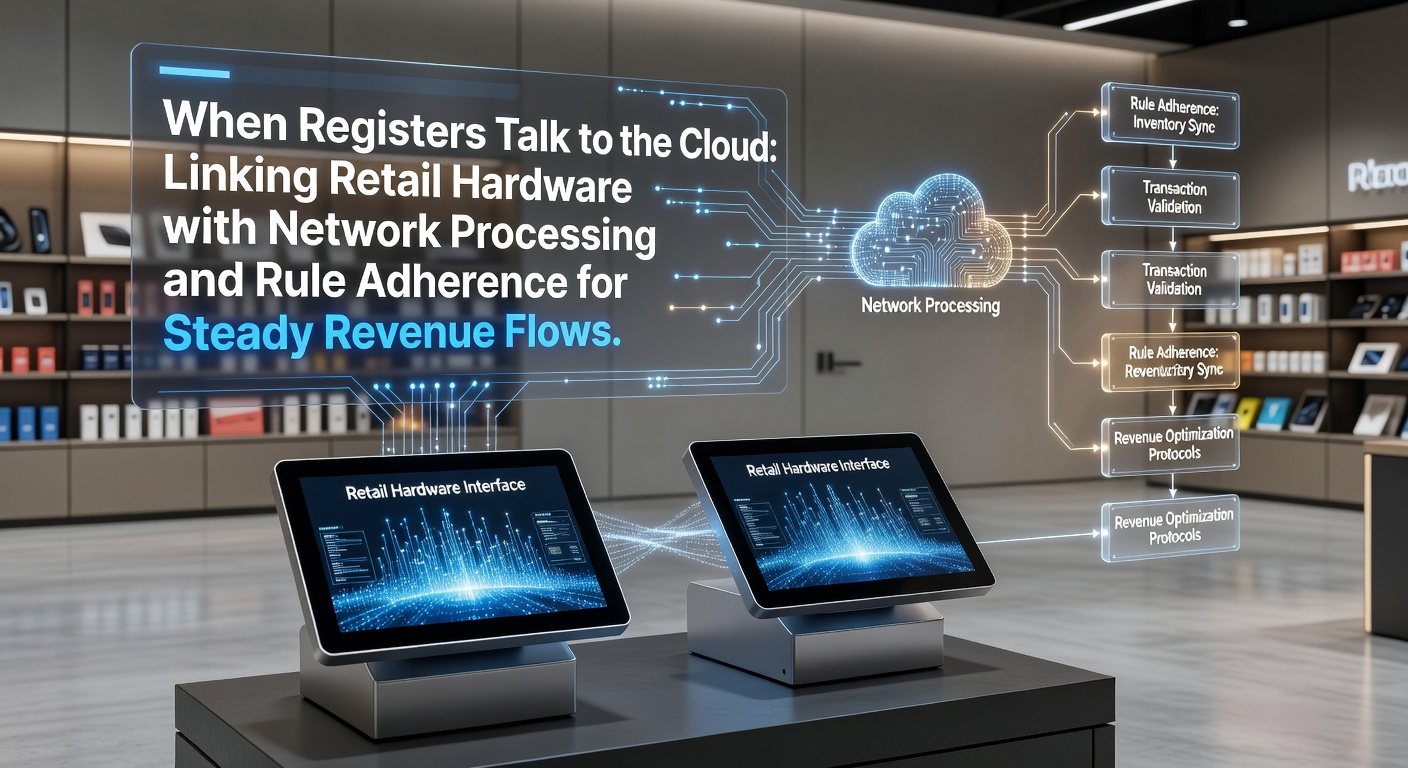
Retail operations have shifted as point-of-sale hardware connects directly with cloud-based networks, and this integration supports transaction handling while maintaining compliance standards that protect ongoing revenue streams. Stores now rely on registers that transmit data in real time to remote servers, where processing occurs according to established protocols for payment validation and record keeping.
Hardware Integration with Cloud Networks
Modern retail registers incorporate processors and communication modules that establish secure links to cloud platforms, and these connections allow transaction details to move from the sales floor to centralized systems without delays. Technicians configure devices to handle encryption at the hardware level before any information leaves the store premises, which aligns with requirements set by payment card industry standards. Data then travels through virtual private networks or dedicated channels that reduce exposure during transit, and network processors on the cloud side manage authorization requests while logging each step for audit purposes.
Observers note that stores using these linked systems experience fewer interruptions during peak hours because cloud resources scale automatically when transaction volumes rise. Retail chains report that hardware updates occur through over-the-air methods, and this approach keeps registers current without requiring on-site visits for every software change. The result appears in consistent uptime figures that contribute to predictable daily revenue collection across multiple locations.
Network Processing for Transaction Handling
Once data reaches the cloud, specialized processors sort incoming requests by type and apply rules that verify card details, confirm available funds, and check for duplicate entries. These steps happen within milliseconds, after which the system returns approval or decline signals back to the register for customer notification. Batch settlement follows at scheduled intervals, and the cloud environment handles reconciliation against bank records to close out each day's activity.
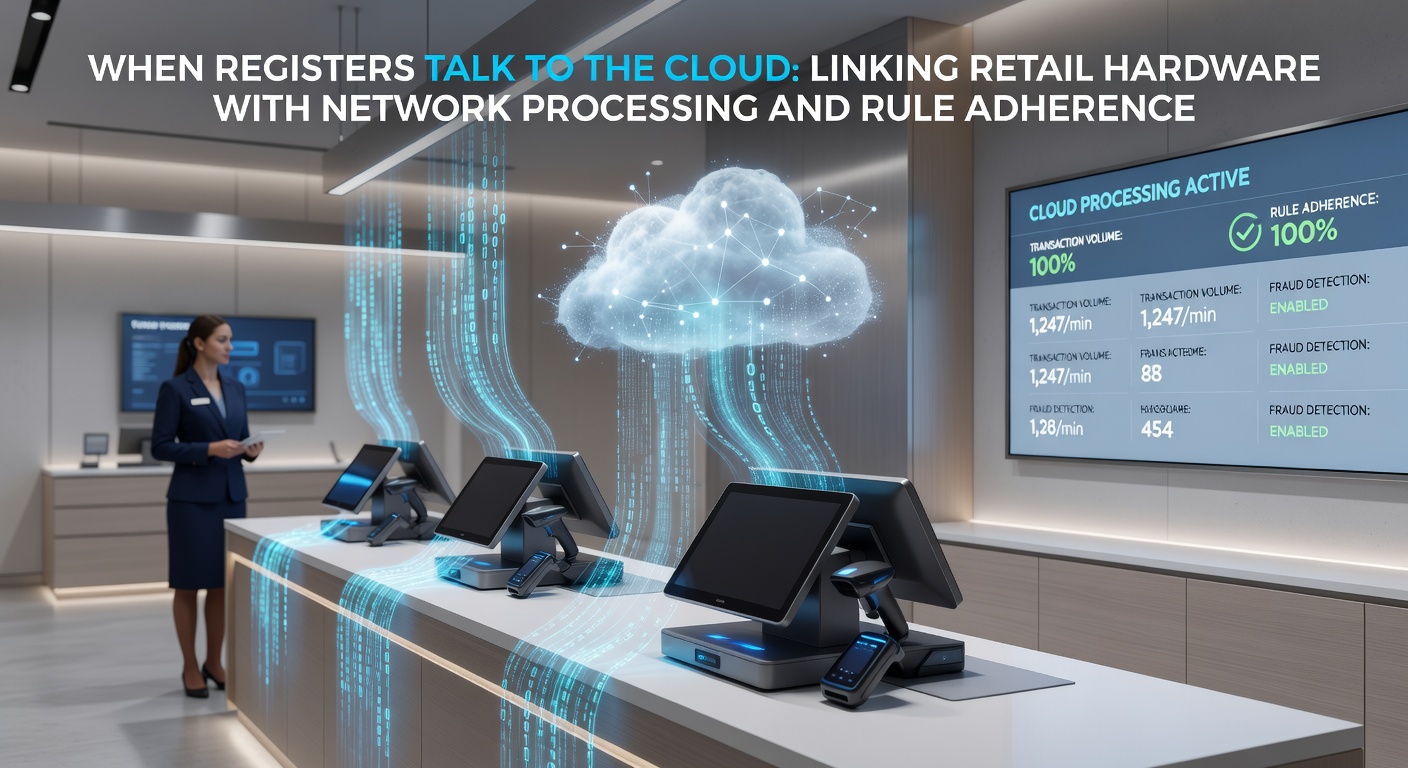
Studies from the Federal Reserve show that cloud-linked processing reduces average authorization times compared with older on-premise setups, and the improvement stems from parallel handling of multiple transactions across distributed servers. Retailers who adopted these methods early now track metrics such as approval rates and settlement speed through centralized dashboards, and the data helps identify patterns that affect cash flow. In regions where high-volume sales occur, the architecture supports load balancing that prevents bottlenecks during seasonal events.
Rule Adherence and Compliance Mechanisms
Compliance frameworks require that every data exchange between registers and cloud services meets encryption, access control, and retention guidelines, and automated tools inside the network environment enforce these rules at each stage. Systems log user actions, flag unusual activity, and generate reports that satisfy external auditors without manual intervention from store staff. Updates to regulations propagate through the cloud layer, which means hardware remains aligned with new mandates as soon as administrators approve the changes.
Research conducted by institutions in Canada indicates that organizations maintaining strict adherence through automated cloud controls encounter fewer penalties related to data handling, and the consistency supports uninterrupted revenue cycles. Retail operators receive alerts when any device deviates from policy, allowing quick correction before issues reach regulatory review. The process continues into 2026, with anticipated policy refinements scheduled for May that will emphasize real-time monitoring capabilities already present in many cloud platforms.
Supporting Steady Revenue Through Reliable Systems
Steady revenue depends on accurate capture and timely settlement of every sale, and the connection between hardware and cloud processing contributes by minimizing failed transactions and reconciliation errors. When registers communicate continuously with network resources, inventory updates occur alongside payment confirmations, which helps maintain accurate stock levels and reduces lost sales from out-of-stock situations. Financial teams review aggregated reports that combine sales data with compliance status, and this visibility supports forecasting that guides inventory purchases and staffing decisions.
Case examples from large chains demonstrate that downtime drops significantly after migration to cloud-linked registers, and the savings translate directly into preserved revenue during critical selling periods. Smaller retailers gain similar advantages through subscription models that provide access to enterprise-grade processing without large upfront investments in servers. Observers point out that the architecture also accommodates emerging payment types such as contactless and mobile options, keeping the system adaptable as customer preferences evolve.
Conclusion
The linkage of retail hardware with cloud-based network processing and rule-based controls creates an operational foundation that sustains transaction flow and revenue stability. As systems continue to evolve through 2026 and beyond, the emphasis remains on secure data movement, automated compliance checks, and scalable handling of daily sales activity across diverse retail environments.