The Synchronization of Inventory Systems with Payment Authorization Sequences in Omnichannel Retail Operations
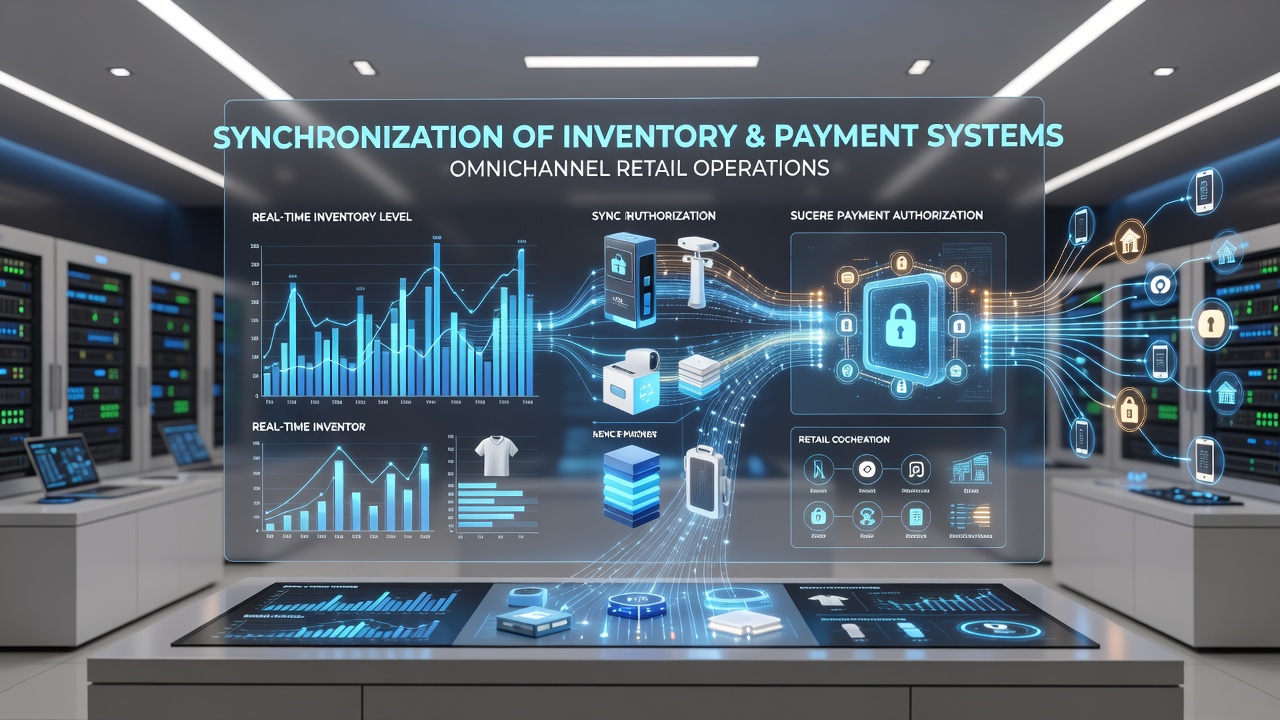
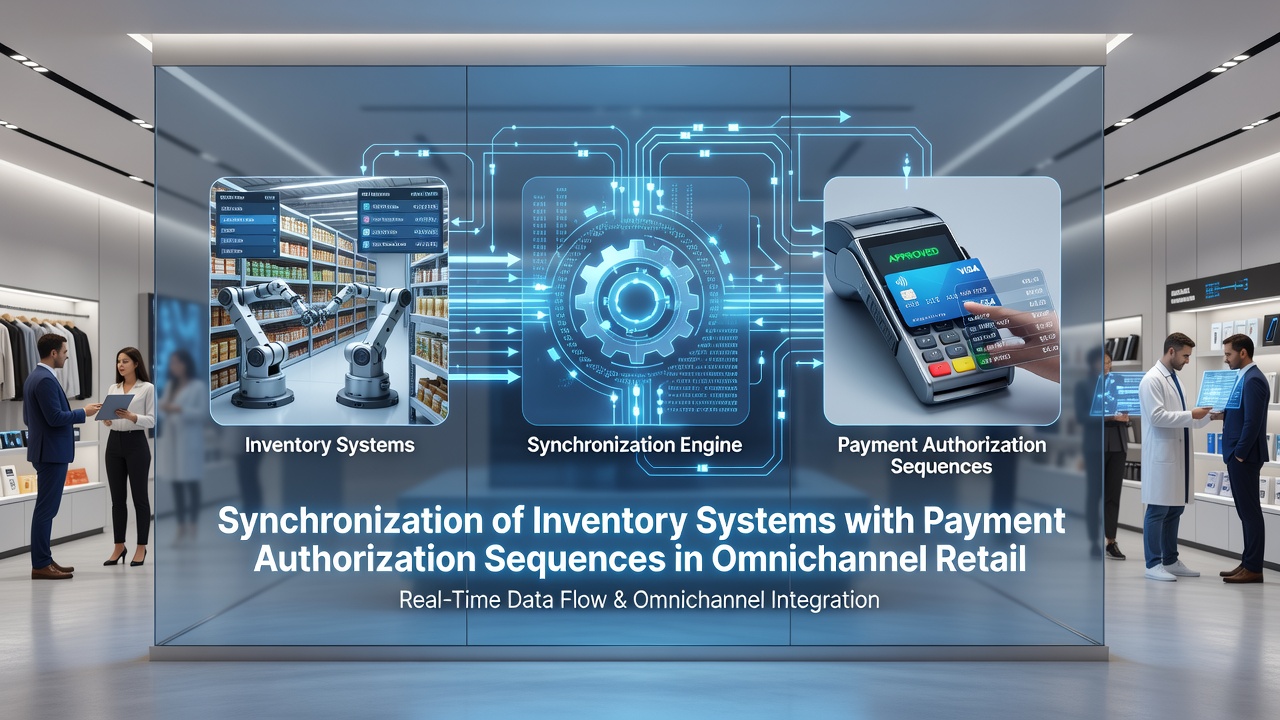
Retail operations that span physical stores, online platforms, and mobile channels require precise coordination between inventory tracking and payment authorization sequences so that stock levels adjust only after successful transaction approvals. Systems achieve this linkage through real-time APIs that pass order data from point-of-sale terminals or e-commerce carts directly into centralized inventory databases, which then confirm availability before releasing authorization codes back to payment processors. Observers note that such sequences reduce instances of overselling while maintaining compliance with data security standards across multiple jurisdictions.
Core Mechanisms Driving Real-Time Alignment
Inventory platforms connect with payment gateways via standardized protocols that trigger stock deductions only once an authorization request receives approval from the acquiring bank. In practice this means an online order placed in July 2026 will hold items in a temporary reserve state during the brief window when card details undergo verification, after which the system either commits the reduction or releases the hold if the payment declines. Researchers at institutions focused on supply chain technology have documented how these holds prevent double allocation when the same SKU appears simultaneously in a mobile app and an in-store kiosk.
Cloud-based middleware often serves as the intermediary layer, translating inventory queries into payment authorization calls and returning updated quantities within milliseconds. Data from North American retail networks shows that stores employing this middleware report fewer stock discrepancies during peak periods because the sequence enforces a single source of truth for both physical counts and financial commitments. Yet the process demands low-latency connections, since any delay between authorization success and inventory update can allow parallel orders to slip through unchecked.
Handling Multi-Channel Order Flows
Omnichannel setups introduce complexity because a customer might reserve an item online for in-store pickup while another shopper purchases the last unit at the physical location moments later. Synchronization sequences address this by assigning unique transaction identifiers that lock inventory records until payment authorization completes or times out. European retail consortia have examined these identifier systems and found they improve fulfillment accuracy when integrated with regional banking networks that process authorizations under varying regulatory timelines.
Take the case of a Canadian apparel chain that routes both website and tablet-based sales through one inventory ledger. When a payment sequence begins, the system flags the item as pending across all channels, then updates the available count only after receiving the approved response code. This approach avoids the need for manual reconciliation at the end of each day and keeps records consistent even when orders originate from different time zones.
Security and Compliance Considerations
Payment authorization sequences embed tokenization and encryption steps that protect card data while the inventory system simultaneously validates stock availability. Standards bodies such as those referenced in NIST guidelines emphasize that these steps must occur without exposing sensitive information to the inventory layer itself. Retailers therefore design the handshake so that only non-sensitive status codes travel between the two systems, preserving PCI DSS requirements while still achieving real-time updates.
Australian industry reports highlight how similar architectures support seasonal spikes without compromising either security or accuracy. During high-volume periods the sequence includes fallback mechanisms that queue authorizations if inventory queries encounter brief outages, ensuring no sale proceeds without a confirmed stock check once connectivity resumes.
Implementation Patterns Observed Across Networks
Many organizations deploy event-driven architectures where inventory changes publish as messages that payment systems subscribe to, creating a loosely coupled yet reliable flow. This pattern allows individual channels to scale independently while the central ledger maintains synchronized counts. Studies from research groups in Asia have tracked adoption rates and noted that retailers using publish-subscribe models experience smoother integration when adding new sales channels such as social commerce or voice assistants.
Edge cases arise when partial payments or split tenders occur, requiring the sequence to handle multiple authorization attempts against a single inventory reservation. Systems manage these by maintaining a temporary allocation table that clears only after all associated payment segments receive approval. Observers in the field report that clear logging of each step within the sequence proves essential for auditing and dispute resolution.
Conclusion
The synchronization of inventory systems with payment authorization sequences continues to evolve as omnichannel retail expands into new formats and regions. By linking stock validation directly to authorization outcomes, retailers maintain accurate availability data across every touchpoint while meeting security and regulatory expectations. Continued refinement of these sequences supports consistent operations even as transaction volumes and channel diversity increase through 2026 and beyond.