Synchronizing Physical Checkout Devices with Cloud-Based Repeat Payment Systems Under Strict Data Handling Guidelines
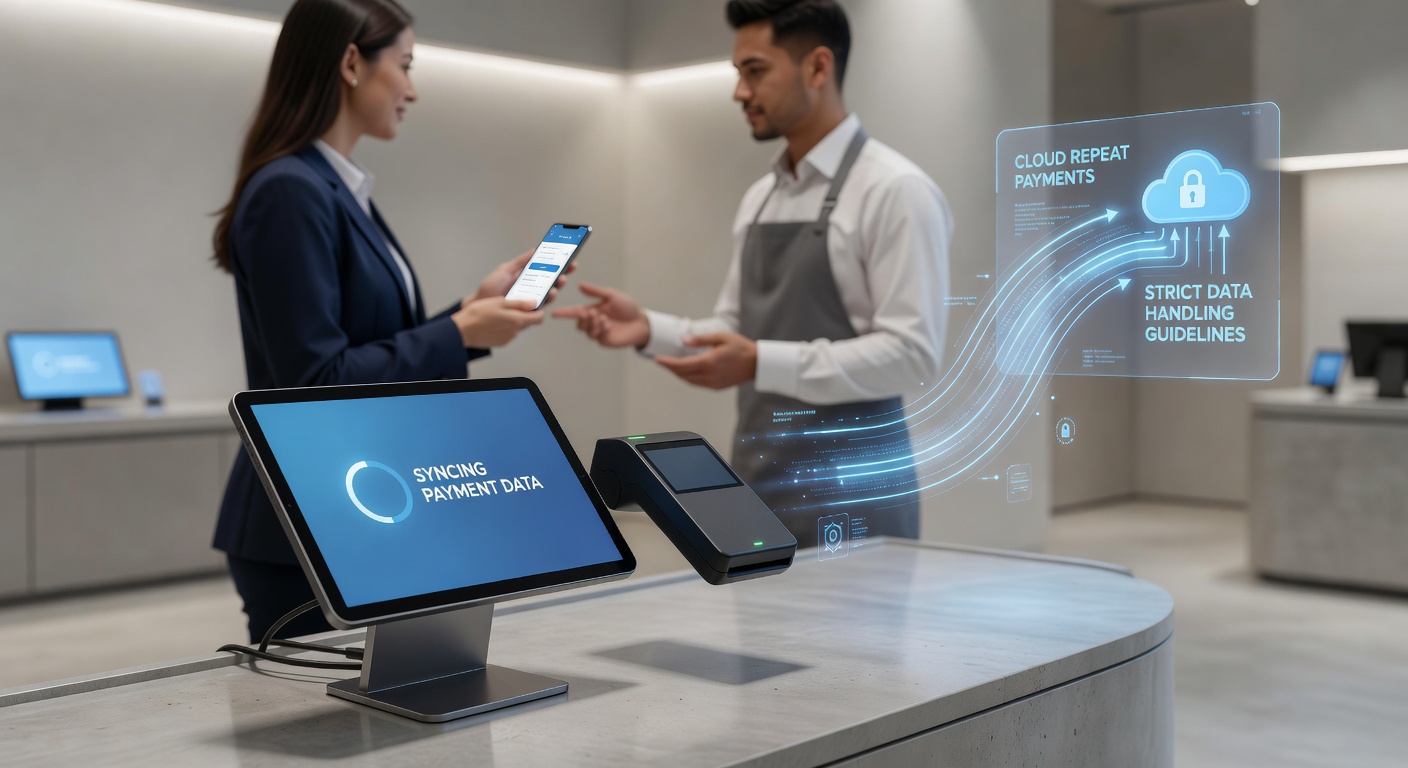
Retail operations increasingly rely on direct connections between in-store terminals and cloud platforms that manage recurring charges, where each transaction must route through encrypted channels while meeting established security protocols. Physical devices capture card data at the point of sale, then transmit details to remote servers that handle subscription renewals, membership fees, and installment plans without storing sensitive information locally for extended periods.
Integration begins with API calls that authenticate the terminal, validate the merchant account, and initiate a secure session for each recurring authorization. Developers configure these endpoints to support tokenization, replacing card numbers with unique identifiers that travel between the hardware and the cloud service. This approach reduces exposure during synchronization because the actual account credentials never reside on the device after initial processing.
Core Components of Device-to-Cloud Linkage
Terminals equipped with EMV chip readers and contactless modules establish encrypted tunnels using TLS protocols before any data exchange occurs. Once connected, the system pulls scheduled payment instructions from the cloud database, processes the charge through the terminal's secure element, and returns confirmation codes that update the subscription status. Observers note that this bidirectional flow requires consistent clock synchronization between hardware and servers to prevent timing mismatches during batch updates.
Software agents installed on the checkout devices monitor connectivity status and queue transactions during outages, resuming transmission once the link restores. Data handling rules dictate that queued records receive the same encryption standards applied to live sessions, preventing plaintext storage even temporarily. Research from payment industry reports indicates that such buffering mechanisms maintain compliance while supporting locations with intermittent network access.
Compliance Frameworks Governing Data Flows
Strict guidelines stem from the Payment Card Industry Data Security Standard, which outlines requirements for protecting cardholder information throughout its lifecycle. Systems must segment networks so that terminal traffic remains isolated from general store operations, and access logs record every synchronization event for audit purposes. According to the PCI Security Standards Council guidelines, merchants conducting recurring transactions must implement additional controls around stored credentials and automated retries.
Regional regulations add further layers, including Canada's Personal Information Protection and Electronic Documents Act that addresses cross-border data transfers common in cloud setups. Organizations configure their platforms to apply jurisdiction-specific retention limits, automatically purging records once the required period expires. Figures from regulatory filings show increased scrutiny on these practices as more retailers adopt hybrid models combining on-premise hardware with remote processing.
Operational Synchronization Techniques
Batch synchronization occurs at predefined intervals, typically every few minutes during business hours, allowing terminals to receive updated customer profiles or pricing adjustments from the cloud. Real-time modes activate for immediate actions such as failed payment notifications, prompting the device to display retry options or alternative methods. Engineers design these processes to handle high volumes without latency spikes that could affect customer experience at checkout.
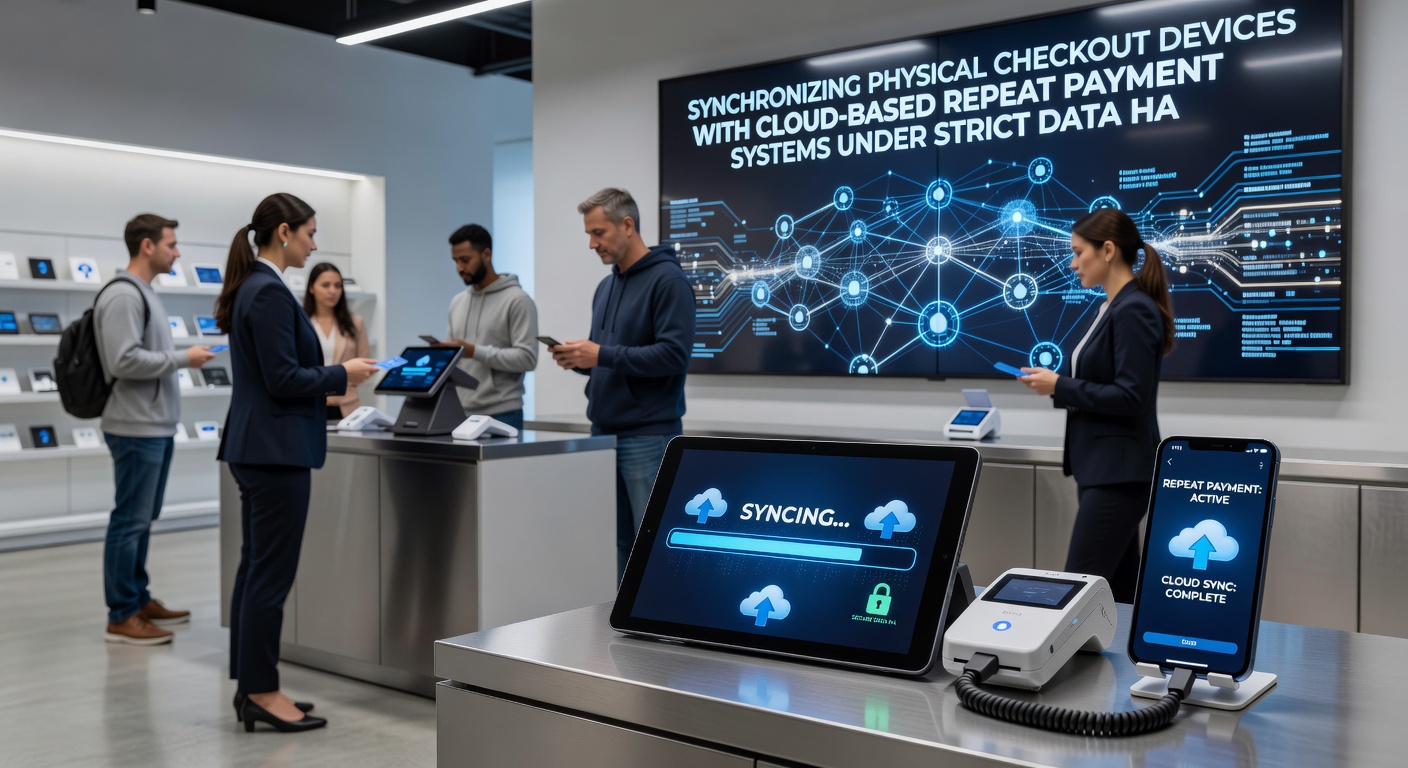
Token management plays a central role, where each recurring profile links to a device-generated reference that the cloud service uses for future charges. When a customer updates payment details through a mobile app, the system pushes the change to all associated terminals via secure webhooks. This ensures consistency across physical and digital touchpoints without requiring manual intervention at each location.
Security Measures During Data Exchange
Encryption covers data both in transit and at rest, with keys rotated regularly according to established schedules. Intrusion detection systems monitor for anomalous patterns, such as repeated authorization attempts that might indicate compromise attempts. Staff training programs emphasize recognizing phishing risks that could target terminal maintenance interfaces, since physical devices often serve as entry points to broader networks.
Testing protocols include penetration assessments conducted quarterly, simulating attacks on the synchronization layer to verify that controls remain effective. Results feed into continuous improvement cycles that adjust firewall rules or authentication methods as new vulnerabilities surface. Data from security assessments reveals that organizations maintaining these routines experience fewer incidents involving recurring payment streams.
Developments Anticipated by Mid-2026
Industry working groups have scheduled reviews of existing standards for release around June 2026, focusing on enhanced requirements for cloud-to-device authentication in recurring scenarios. Proposed updates include mandatory support for post-quantum cryptography in token exchanges, addressing emerging computational threats. Retail technology providers prepare migration paths that allow current terminals to adopt these features through firmware updates rather than full hardware replacements.
Interoperability testing events planned for early 2026 aim to standardize communication formats across vendors, reducing integration friction for multi-location operators. These efforts build on existing frameworks while incorporating feedback from deployments in varied regulatory environments across North America and Europe.
Conclusion
Effective synchronization between physical terminals and cloud-based repeat payment systems depends on layered security practices that align device operations with remote processing demands. Continued adherence to established standards, combined with scheduled protocol enhancements, supports reliable transaction handling while meeting data protection obligations across jurisdictions. Retail networks that implement these connections systematically demonstrate measurable improvements in operational continuity and regulatory alignment.