Subscription Safeguards: Fraud Tools in Mobile POS Recurring Systems
Subscription Safeguards: Fraud Tools in Mobile POS Recurring Systems
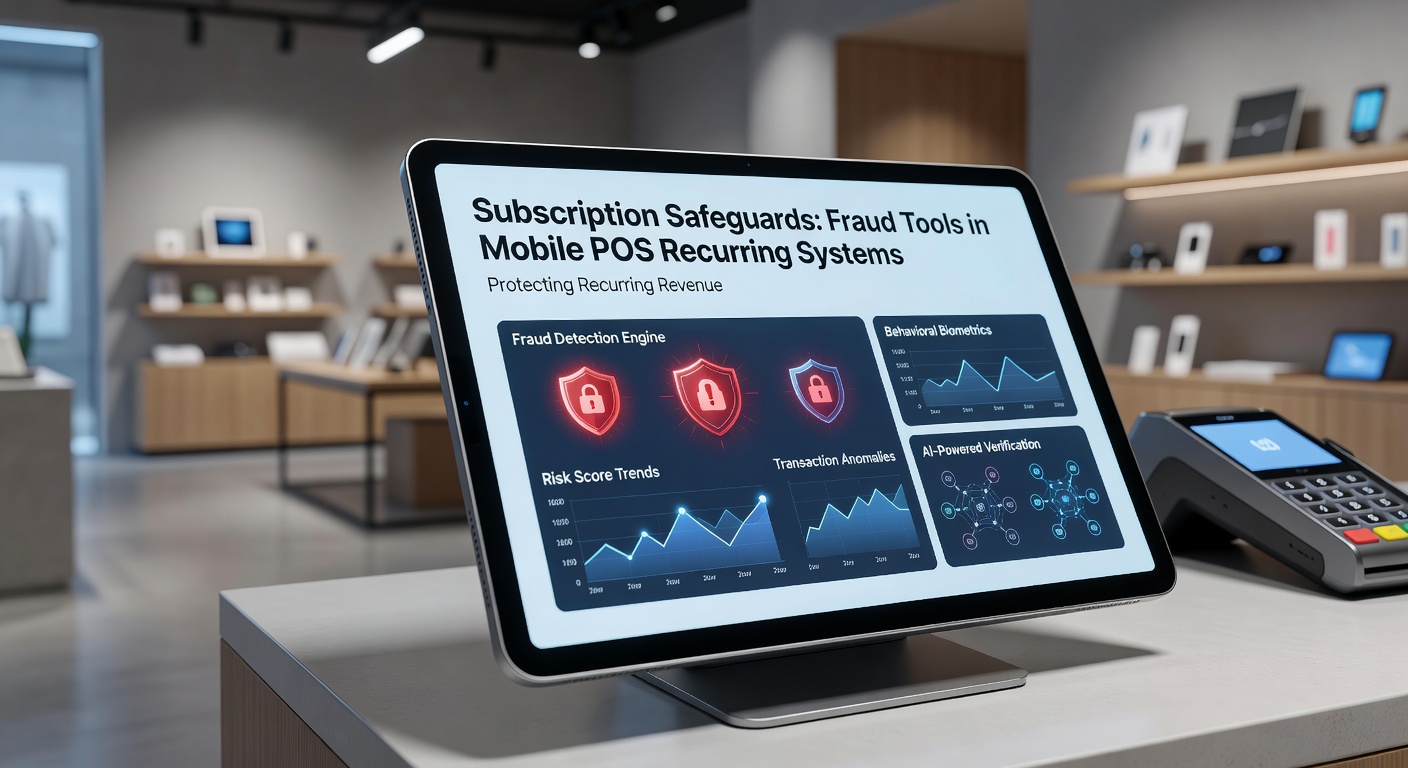
The Rise of Mobile POS and Recurring Subscriptions
Mobile point-of-sale (POS) systems have transformed how businesses handle transactions on the go, especially with recurring subscriptions that keep revenue flowing steadily; these setups, popular in sectors like fitness gyms, meal kits, and software services, rely on seamless card-on-file storage for automatic billing cycles. Data from industry reports shows recurring payments now account for over 40% of e-commerce volume in North America, while mobile POS adoption has surged 25% year-over-year globally. But here's the thing: this convenience opens doors to fraudsters who target stored credentials, leading to unauthorized charges that hit merchants hard.
Experts observe that mobile POS recurring systems, often integrated with apps on tablets or smartphones, process billions in subscriptions annually; take coffee shop chains using handheld devices for loyalty memberships, or beauty boxes auto-shipping monthly via tap-to-pay. What's interesting is how these systems blend in-person and digital elements, creating hybrid vulnerabilities where fraud can slip through cracks in authentication.
Key Fraud Risks in These Systems
Fraudsters exploit several weak points in mobile POS recurring setups, from stolen card data during initial swipes to account takeovers via phishing; account testing, where bots probe small charges to validate cards before big hits, has risen 60% according to recent figures from the PCI Security Standards Council. Friendly fraud, those "I didn't authorize that" chargebacks from subscribers, drains another 15-20% of revenue for subscription-heavy merchants.
And then there's the mobile-specific twist: device theft or lost tablets expose unencrypted token vaults, while unsecured Wi-Fi at pop-up markets lets man-in-the-middle attacks intercept recurring authorization tokens. Observers note that in 2025 alone, U.S. merchants using mobile POS reported $2.8 billion in subscription fraud losses, a figure that's climbing as 5G speeds enable faster exploits. So, businesses turn to layered safeguards that catch these threats early, without choking legitimate flows.
Essential Fraud Detection Tools Deployed Today
Real-time monitoring stands out as the first line of defense in mobile POS recurring systems, with AI algorithms scanning transaction patterns for anomalies like velocity checks—too many subs from one IP in an hour triggers flags; machine learning models, trained on vast datasets, achieve 95% accuracy in spotting unusual geolocations for recurring bills. Data indicates these tools reduced false positives by 30% in pilots run by payment processors last year.
Tokenization vaults keep card details safe by swapping them with unique tokens per device, ensuring even if a mobile POS gets compromised, fraudsters grab useless strings; combined with dynamic CVV for recurring auths, this duo cuts breach impacts dramatically. But what's significant is network tokenization, pushed by schemes like Visa and Mastercard, which refreshes tokens per transaction cycle, making stolen data worthless after one use.
Biometric layers add another shield—fingerprint or face scans at signup for high-value subs verify the human behind the card, while behavioral biometrics track swipe habits on mobile screens to block imposters mid-session. Take one retail chain that rolled out these; their fraud rates dropped 45% within months, as per their case study shared at industry forums.
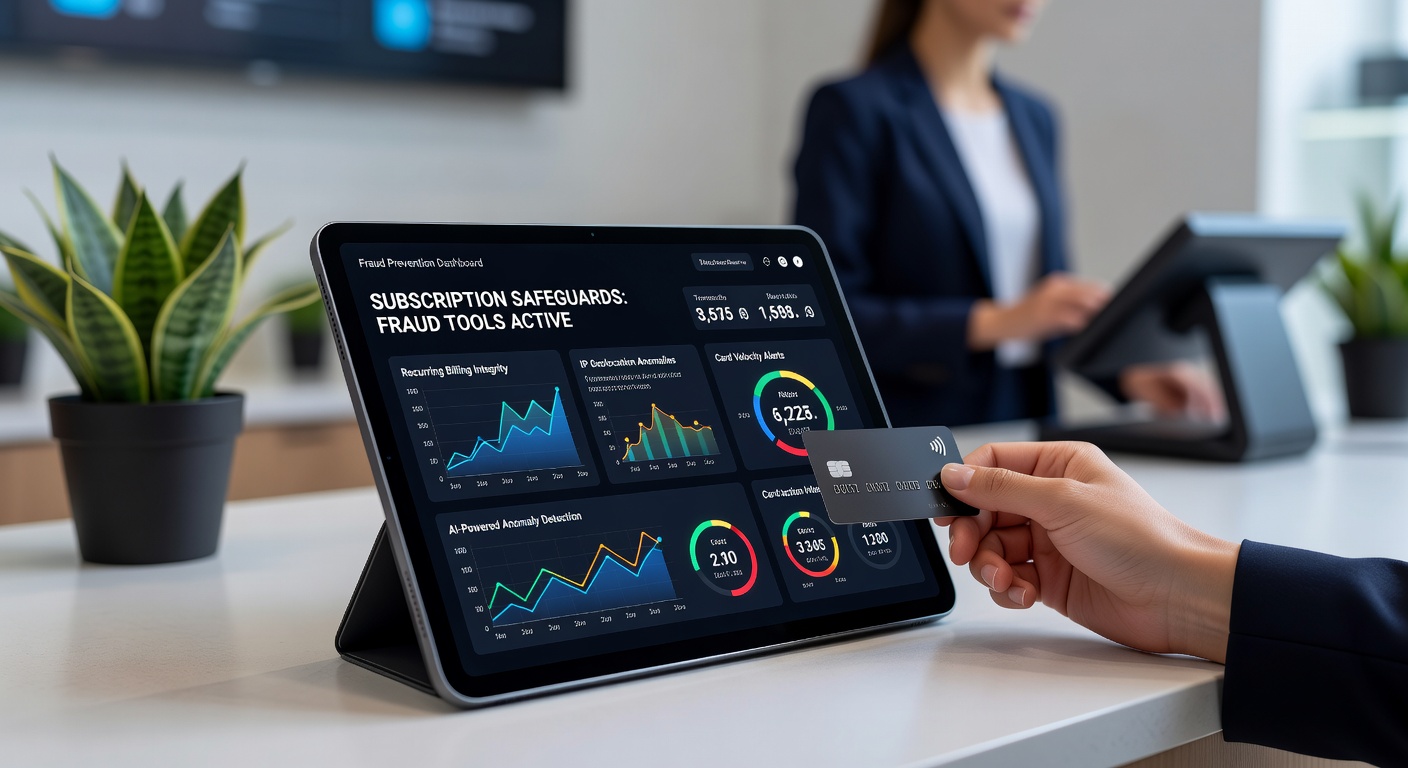
Advanced Tools: 3D Secure and Beyond for Recurring
3D Secure 2.0 protocols, mandated in many regions, frictionlessly authenticate recurring payments via risk-based exemptions—low-risk subs skip pop-ups, but flagged ones prompt device binding; the European Banking Authority reports this framework slashed unauthorized transactions by 70% across EU mobile payment rails since PSD2 rollout. In mobile POS, frictionless 3DS integrates via SDKs that assess data like device fingerprints and transaction history in milliseconds.
Yet recurring setups need exemptions carved out carefully; initial enrollment mandates full 3DS, then merchants apply for exemptions based on low fraud history, with issuers approving via automated rules. Graph databases now map fraud rings linking stolen subs across merchants, alerting networks before patterns spread; one fintech deploy saw detection times shrink from days to minutes.
Chargeback guarantees from processors like those in Australia’s payments ecosystem (as detailed in reports from the Australian Payments Network) backstop merchants, reimbursing valid disputes while tools like reason code analysis predict and prevent them upfront. And for mobile roamers, geo-fencing ties recurring auths to verified merchant locations, blocking charges from distant hotspots.
Case Studies: Real-World Wins Against Fraud
Consider a U.S. gym franchise with 500 mobile POS-enabled locations; facing 12% fraud on monthly dues, they layered velocity capping—max three failed auths per card daily—with device binding, slashing incidents by 62% in six months, according to their internal metrics shared at Finovate conferences. Similar success hit a Canadian meal delivery service hit by account testing; biometric enrollment at first order, plus AI anomaly detection, held fraud under 0.5%, well below industry averages cited by Payments Canada.
Down under, an Aussie software SaaS provider using tablet POS for enterprise subs integrated network tokens and behavioral analytics; fraud losses plummeted 78%, as their study revealed patterns like sudden volume spikes from VPNs. These examples show how stacking tools—monitoring atop tokenization, biometrics fueling 3DS—creates resilient stacks tailored to mobile recurring flows.
People who've implemented these often discover secondary perks, like higher sub retention from trusted billing; one observer noted approval rates climbing 8% post-deployment, since customers stick with secure-feeling services.
Emerging Trends and April 2026 Horizons
Quantum-resistant encryption looms as the next frontier for token storage in mobile POS, with trials underway to shield against future computing threats; standards bodies forecast full adoption by 2027. Meanwhile, embedded finance APIs let POS apps pull real-time issuer risk scores, enhancing decisions without added hops.
April 2026 brings pivotal shifts, as the U.S. Federal Reserve's updated FedNow rules tighten recurring auth requirements for instant payments, mandating enhanced fraud signals; EU's PSD3 proposals, slated for mid-2026 rollout, push open banking data into fraud models for cross-border subs. Australian regulators, via the Reserve Bank, plan similar liability shifts favoring strong customer auth in mobile contexts.
Edge AI on devices processes threats offline—scoring swipes without cloud pings—cutting latency; early adopters report 20% faster resolutions. Blockchain-ledgers for immutable audit trails verify every recurring token refresh, appealing to compliance-heavy verticals like health subs.
Conclusion
Subscription safeguards in mobile POS recurring systems boil down to proactive, layered defenses that evolve with threats; from AI monitoring and tokenization to biometrics and 3DS exemptions, these tools keep fraud at bay while sustaining smooth revenue streams. Data consistently shows merchants deploying them see losses drop 50-80%, approval rates rise, and chargebacks stabilize. As April 2026 regulations reshape the field, those integrating these now position ahead; the reality is, in this fast-moving space, vigilance through tech stacks pays dividends that far outstrip the costs. Experts agree: the writing's on the wall for outdated setups, while fortified systems thrive.