Pathways to protected automation: linking interfaces with safeguards for periodic mobile transactions
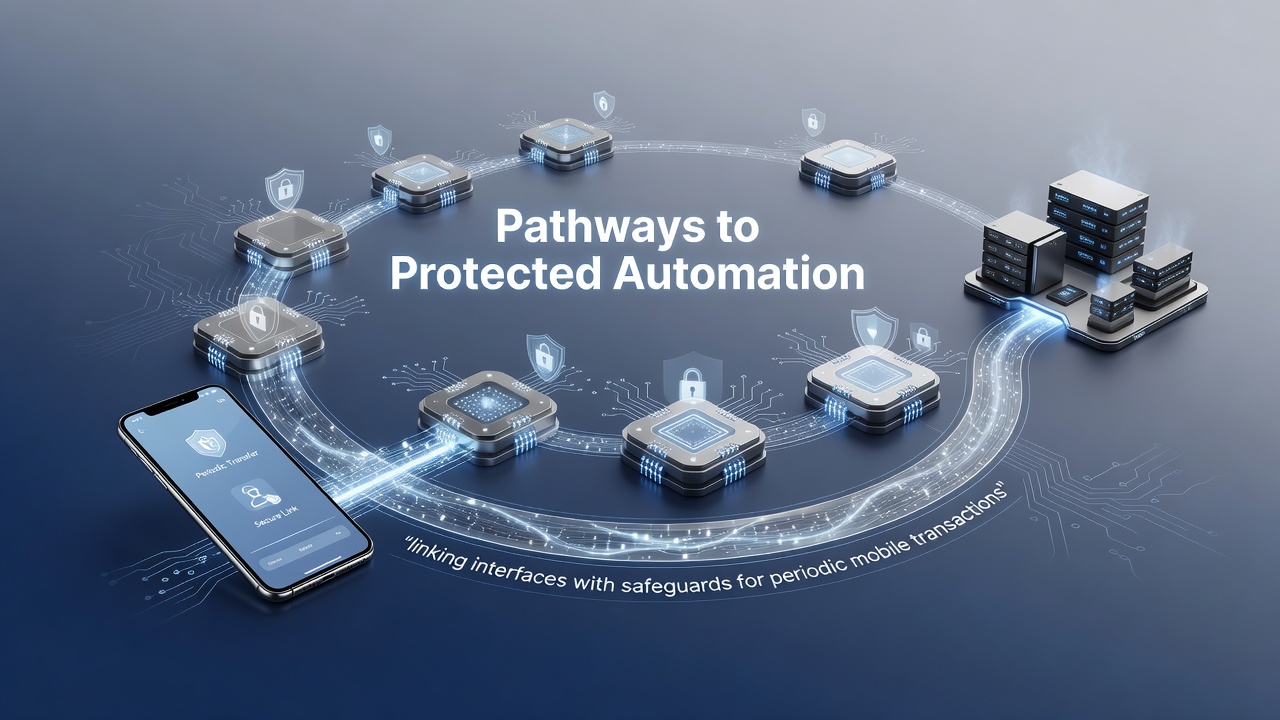
Periodic mobile transactions have expanded across service sectors where recurring charges occur through smartphone applications, and the connections between user interfaces and backend systems now incorporate multiple layers of verification to maintain continuity without exposing sensitive data. Observers note that these pathways rely on standardized protocols that allow automation while embedding controls at each stage of data exchange.
Core Components of Interface Connections
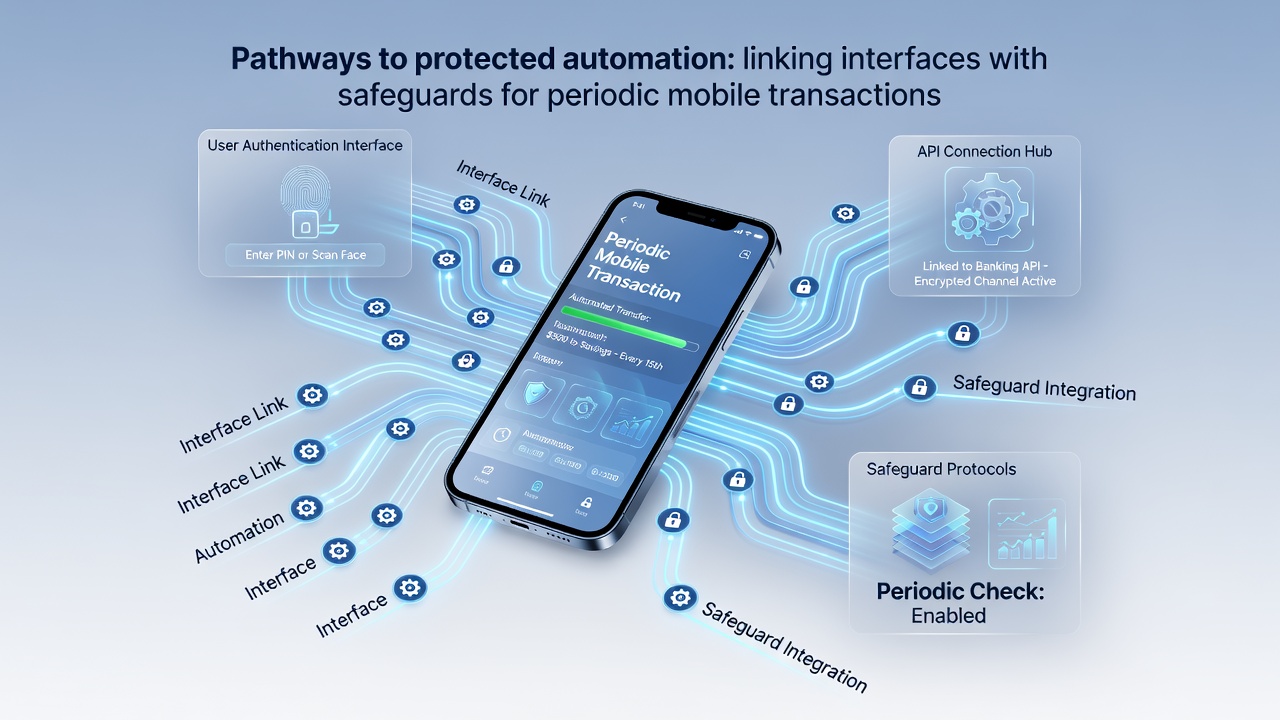
Mobile applications transmit transaction requests through APIs that interface directly with payment processors, and these connections use encrypted channels to prevent interception during the handoff from device to server. Tokenization replaces card details with unique identifiers that systems recognize for repeat processing, which reduces the need to store full account numbers on mobile devices or in transit.
Developers structure these interfaces so that each periodic trigger initiates a verification sequence before any funds move, and this sequence checks device integrity along with user authentication markers. Research from the Bank for International Settlements indicates that such layered approaches have contributed to lower incident rates in automated billing environments across multiple regions.
Embedding Safeguards in Automated Flows
Safeguards activate at defined points in the transaction cycle, including real-time fraud scoring that evaluates patterns against historical data for the same account. When anomalies appear, the system pauses the automated step and routes the request for additional confirmation through the mobile interface, such as a biometric prompt or one-time code.
These controls operate continuously rather than at fixed intervals, allowing the automation to proceed for routine cases while intercepting deviations before they complete. Data from regulatory filings show that implementations following updated security frameworks have aligned with reduced dispute volumes in recurring mobile payment streams.
Regulatory Timelines and Compliance Pathways
Standards bodies have outlined phased updates that payment platforms must incorporate by mid-2026, and one milestone falls in June 2026 when enhanced reporting requirements for automated mobile channels take effect in several jurisdictions. Systems that link interfaces with built-in logging functions can generate the required audit trails without disrupting the recurring flow.
Compliance teams map each safeguard to specific regulatory clauses so that automation remains intact while documentation meets external review standards. This mapping process often involves testing sequences that simulate periodic transactions under controlled conditions to confirm both functionality and record-keeping accuracy.
Observed Implementation Patterns
Organizations handling high volumes of periodic charges have adopted modular designs where the interface layer handles user interaction separately from the safeguard engine that runs in parallel. This separation allows updates to security rules without altering the mobile application code, which keeps automation stable across billing cycles.
Case examples from service providers demonstrate that integration of device fingerprinting with transaction monitoring has flagged unauthorized attempts early in the process, before charges process. Those who maintain these dual pathways report sustained uptime for recurring operations even as threat vectors evolve.
Future Adjustments in Interface-Safeguard Linkages
As mobile operating systems introduce new authentication methods, the connections between front-end interfaces and protective controls require corresponding adjustments to maintain compatibility. Testing environments replicate live periodic transaction scenarios to validate that safeguards activate correctly under updated device conditions.
Industry reports highlight that platforms incorporating adaptive thresholds for risk scoring have maintained processing efficiency while meeting emerging security expectations. These thresholds adjust based on aggregated transaction data without requiring manual intervention for each cycle.
Conclusion
Pathways that connect mobile interfaces with embedded safeguards enable protected automation for periodic transactions by distributing verification across multiple checkpoints. The structured linkages support consistent revenue collection while aligning with data protection expectations that continue to develop through 2026 and beyond.