Inside Token Management Strategies for High-Volume International Card Authorizations in Service Subscriptions
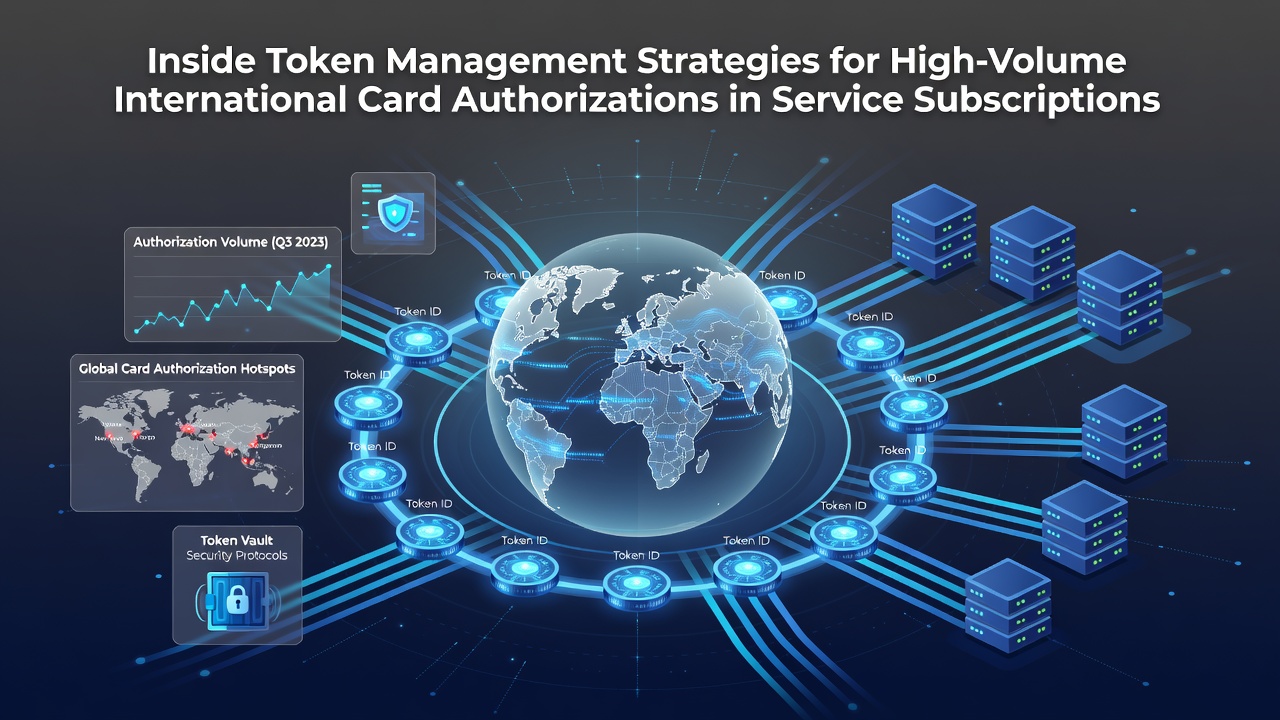
Token management has become central to handling recurring payments across borders where service subscriptions require repeated authorizations without exposing sensitive card data each time and organizations that process thousands of transactions monthly often rely on these systems to maintain continuity while meeting regional data rules.
Core Components of Token Systems
Service providers generate tokens by replacing primary account numbers with unique identifiers that issuers store in secure vaults and when a subscription renewal occurs the merchant sends the token along with transaction details which the network maps back to the original card for authorization and this process reduces exposure during high-volume operations that span multiple countries.
Researchers at institutions tracking payment infrastructure note that token usage grew steadily through 2025 with projections showing continued expansion into mid-2026 as more platforms adopt them for cross-border recurring charges.
Handling International Variations
Different regions impose distinct requirements on how tokens are created stored and reused so operators must configure their systems to support issuer-specific rules such as those from European networks that demand explicit consent records while Asian markets often emphasize real-time validation steps and failure to align these elements can trigger declines even when account funds are available.
One approach involves maintaining separate token pools segmented by geography which allows teams to apply targeted refresh cycles and this segmentation proves especially useful during peak renewal periods when volume spikes occur across time zones.
Scaling for High-Volume Operations
High-volume environments demand automated token lifecycle controls that include provisioning rotation and deprovisioning without manual intervention and systems that integrate these controls report fewer interruptions because they detect expired or revoked tokens before authorization attempts reach the network.
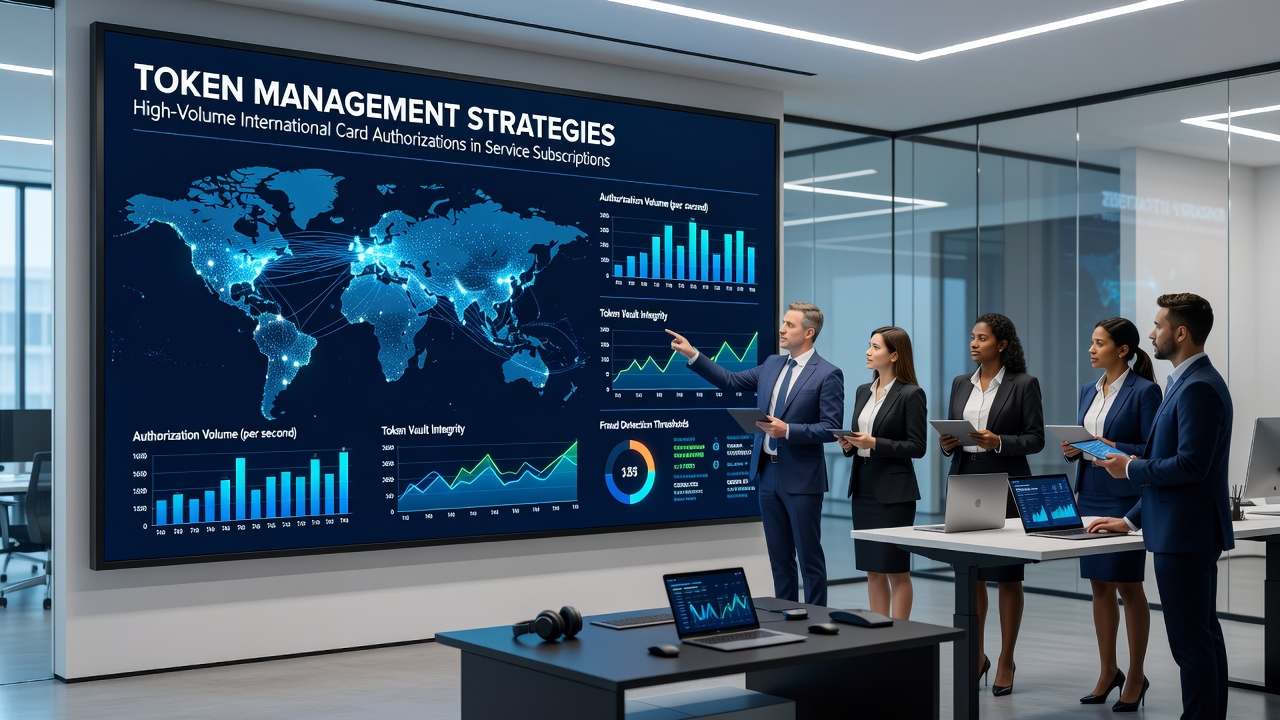
Data from the PCI Security Standards Council indicates that organizations using dynamic token rotation experience measurable reductions in authorization failures during subscription cycles and the same reports highlight the importance of maintaining fallback procedures when primary token services encounter latency.
Security Protocols and Regulatory Alignment
Encryption at rest and in transit forms the baseline for token storage while access controls limit which internal systems can request detokenization and observers note that multi-factor authentication combined with audit logging creates traceable paths for every token interaction which supports compliance audits required in various jurisdictions.
By July 2026 updated guidelines from the European Central Bank are expected to emphasize enhanced monitoring of token reuse patterns in recurring payment streams and platforms already preparing for these shifts have begun implementing additional anomaly detection layers that flag unusual geographic activity on individual tokens.
Integration with Authorization Workflows
Token strategies work best when embedded directly into subscription management platforms rather than treated as add-on modules and seamless integration allows real-time updates to token status which prevents attempts to charge accounts that have been flagged for fraud or closure by the issuing bank.
Case examples from service providers show that batch processing of token validations during off-peak hours helps balance system load while still meeting daily renewal deadlines across global customer bases.
Conclusion
Effective token management for international service subscriptions rests on coordinated strategies that address regional differences scale reliably under volume pressure and align with evolving security standards and organizations that implement these practices position themselves to sustain authorization success rates even as transaction flows grow more complex through 2026 and beyond.