From Application to Activation: The Journey of Establishing Merchant Relationships for Seamless Digital Commerce
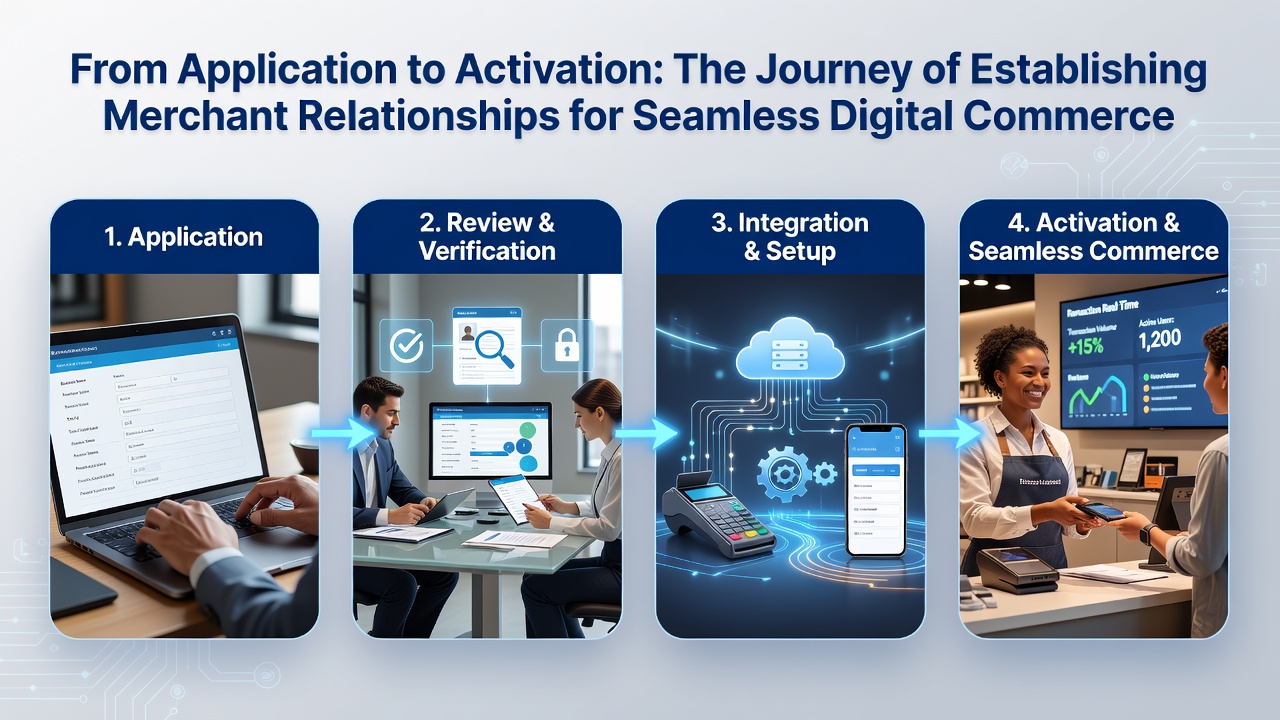
Businesses seeking to participate in digital commerce often begin by pursuing merchant relationships with payment processors and financial institutions, and this path unfolds through distinct stages that connect initial paperwork with operational readiness. Data from industry analyses show that companies complete these steps to gain access to transaction networks, and observers note that the timeline varies based on business type, volume projections, and regional regulations. Researchers at the Federal Reserve Bank have documented how application volumes increased steadily through 2025, with projections indicating continued growth into June 2026 as platforms expand cross-border capabilities.
Initial Steps in Merchant Onboarding
Companies start the process by submitting detailed business profiles that include ownership records, financial statements, and operational descriptions, while processors evaluate these materials against risk criteria established by card networks and banking partners. Those who prepare thorough documentation often move forward faster because incomplete submissions trigger additional requests that extend review periods, and experts have observed that small enterprises sometimes encounter longer waits when they lack prior transaction history. According to reports from the European Central Bank, verification procedures across member states emphasize consistent standards that align with anti-money laundering directives, and this alignment helps streamline approvals for businesses operating in multiple jurisdictions.
Verification Processes and Documentation Requirements
Processors conduct background checks that examine credit histories, tax filings, and legal standing, and these reviews incorporate automated screening tools alongside manual assessments to confirm accuracy. Data indicates that businesses providing real-time access to accounting systems during this phase reduce back-and-forth exchanges, whereas those relying on static uploads encounter more frequent follow-up requests. In June 2026, updated reporting frameworks from several regulatory bodies are scheduled to take effect, and these changes require enhanced disclosure of supply chain partners for certain high-volume merchants.
Integration Planning and System Compatibility
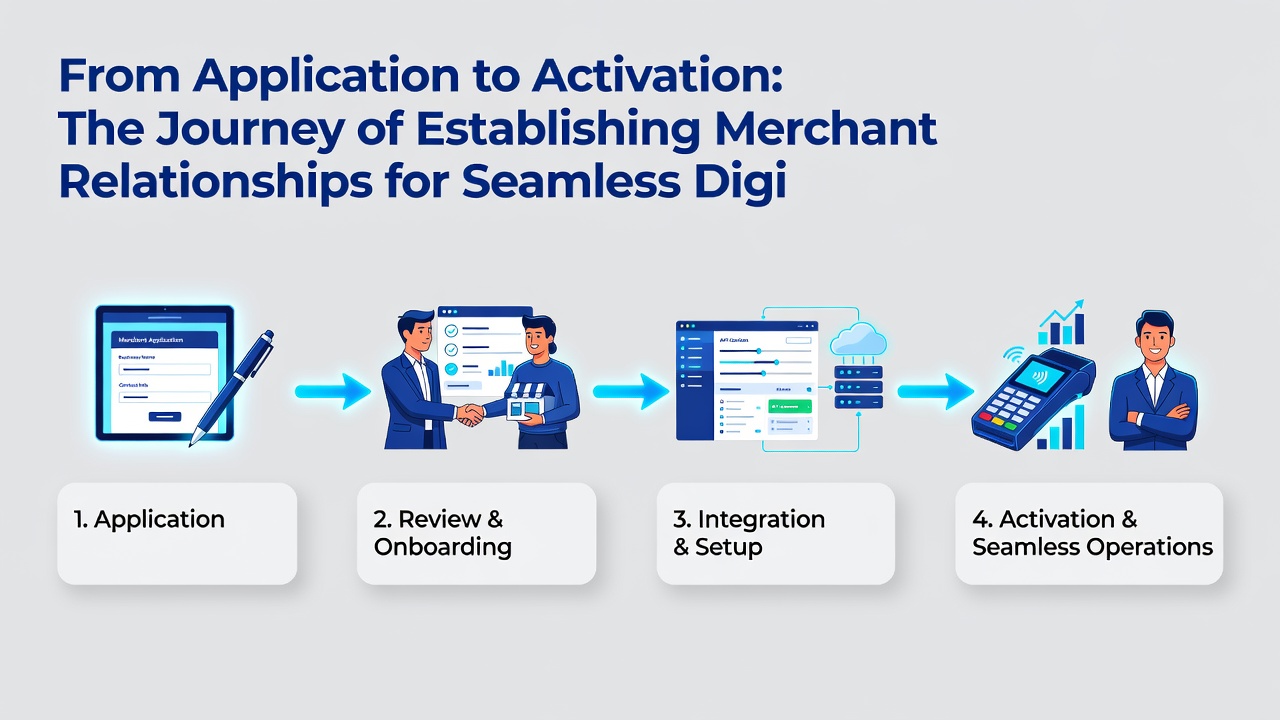
Once preliminary approval arrives, companies shift focus to connecting their platforms with processor APIs and settlement systems, and this phase involves mapping data fields, configuring security protocols, and conducting test transactions to verify end-to-end functionality. Teams that conduct parallel testing across staging and production environments identify configuration mismatches early, and research from academic institutions shows that such proactive approaches shorten the interval between approval and live operations. Observers note that compatibility issues arise most frequently when legacy inventory systems interface with modern cloud-based gateways, yet structured migration plans mitigate these disruptions effectively.
Testing Protocols and Final Activation
Merchants execute batches of simulated transactions that replicate real-world scenarios including refunds, partial captures, and multi-currency settlements, while processors monitor these tests for compliance with network rules. Successful completion triggers the transition to production credentials, and businesses then receive confirmation that their accounts are active for incoming payments. Figures from trade associations reveal that activation rates climb when organizations schedule dedicated training sessions for finance and operations staff, and this preparation equips teams to handle reconciliation tasks without external support.
Post-Activation Relationship Management
After activation, ongoing communication channels open between merchants and account managers who provide performance reports and guidance on volume scaling, and these relationships support adjustments when seasonal patterns or market expansions alter transaction profiles. Studies indicate that regular reviews help identify opportunities for optimized routing and fee structures, whereas infrequent contact leaves some businesses unaware of available service enhancements. In regions such as Australia and Canada, updated guidelines effective around mid-2026 emphasize transparent reporting on settlement times, and these measures aim to give merchants clearer visibility into cash flow timing.
Conclusion
The progression from application submission through verification, integration, and activation forms a structured sequence that enables businesses to participate in digital commerce networks, and data collected across multiple markets shows consistent patterns in how preparation influences overall duration. Organizations that maintain organized records and engage early with technical requirements typically reach activation with fewer delays, while evolving regulatory timelines such as those slated for June 2026 continue to shape documentation expectations. This journey ultimately connects operational readiness with access to payment rails that facilitate seamless transactions across digital channels.