Event Vendor Ecosystems: Linking Portable Readers to Periodic Revenue Handling Under Established Security Guidelines
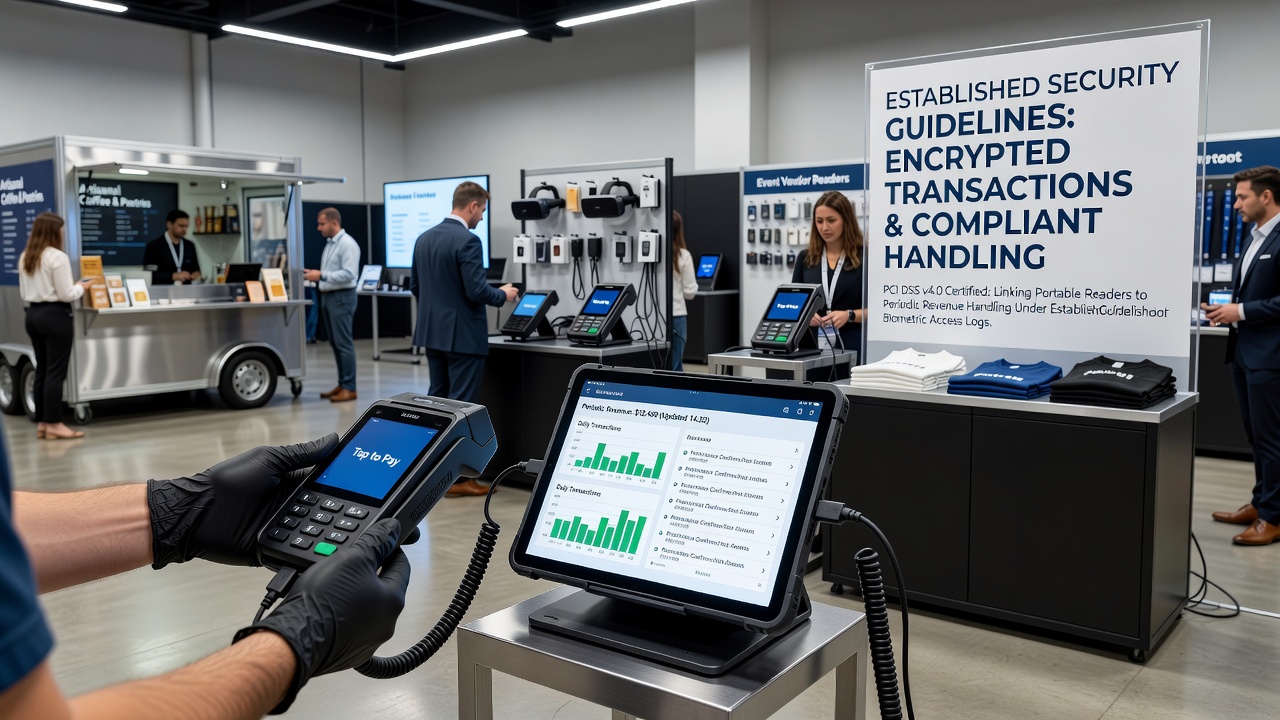 Event vendor ecosystems operate through coordinated networks where portable readers capture transactions at temporary locations such as festivals, markets, and trade shows while routing data into centralized platforms that manage recurring charges for booth rentals, service subscriptions, and membership renewals. These systems align with established security guidelines that require encryption of cardholder data during transmission and storage along with regular compliance audits. Portable readers in this setting typically support multiple payment methods including contactless cards and digital wallets, and they integrate with cloud-based dashboards that track vendor activity across multiple event cycles. Data from each reader flows through encrypted channels to backend processors that apply rules for periodic billing cycles, ensuring that charges for annual vendor agreements or seasonal access fees process on schedule without manual intervention each time.
Hardware Integration in Dynamic Environments
Researchers at various trade associations have documented how event organizers deploy ruggedized portable readers that withstand outdoor conditions yet maintain connections to networks handling both one-time sales and recurring revenue streams. These devices often feature built-in EMV chip support alongside NFC capabilities, allowing vendors to process payments on-site while the same terminals feed information into platforms that generate automated invoices for ongoing contracts.
One study from a North American payments research group revealed that integration layers between portable hardware and recurring billing software reduce administrative overhead by synchronizing transaction logs with vendor account profiles. Event coordinators gain visibility into payment histories that span multiple locations, and the architecture supports updates to security certificates without disrupting live operations during peak seasons.Revenue Cycle Management Practices
Periodic revenue handling in event ecosystems relies on scheduled triggers that activate when vendor agreements reach renewal dates or when usage thresholds trigger additional fees. Systems pull data from portable readers to verify active accounts before executing charges, and they apply tokenization techniques so that sensitive card details never reside on the mobile devices themselves.
According to guidelines issued by the PCI Security Standards Council, organizations must segment networks that connect field readers to central servers to limit exposure during data transfers. Event platforms incorporate these controls by routing all recurring transactions through authenticated APIs that log each step for audit trails required under current data protection frameworks.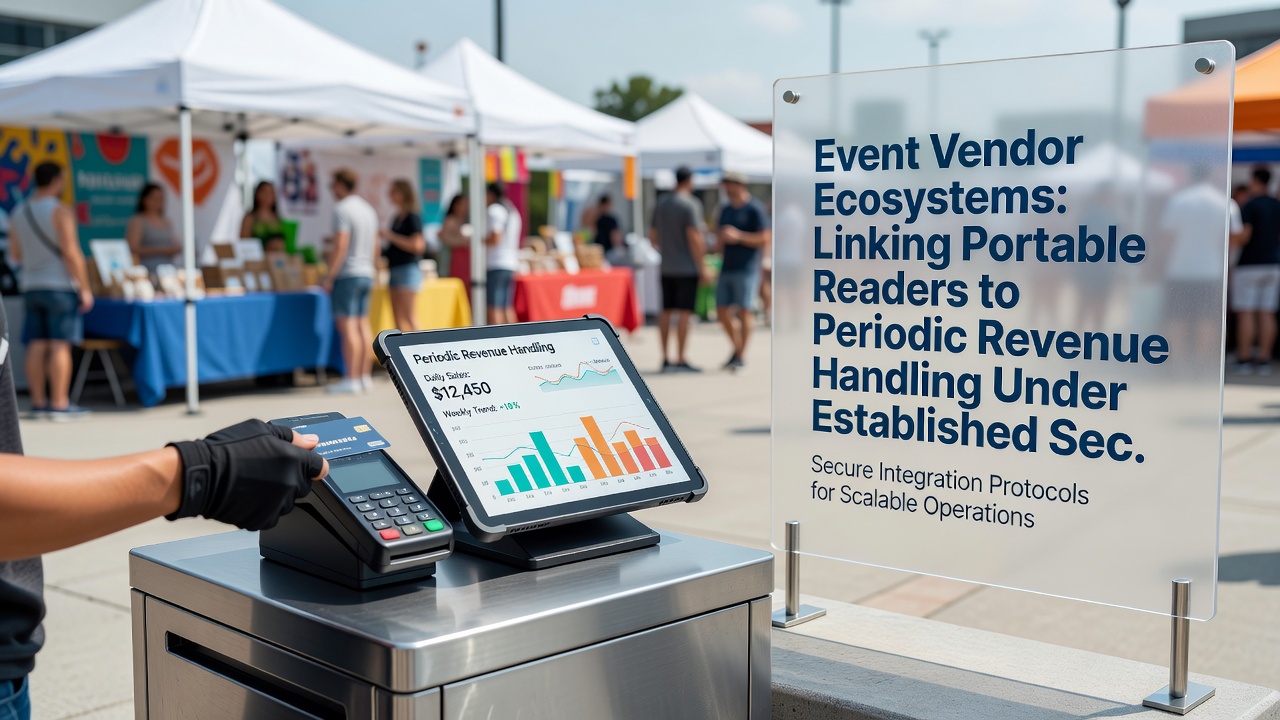
Security Protocol Implementation
Established security guidelines mandate that all components in the ecosystem undergo vulnerability assessments at defined intervals, and portable readers receive firmware updates pushed from central management consoles. Event vendors receive training materials that outline procedures for reporting lost devices immediately so that associated tokens can be revoked before any recurring processes attempt to use compromised credentials.
European regulatory bodies have published technical standards that address the specific risks of mobile payment acceptance in temporary setups, and those documents emphasize real-time monitoring of transaction patterns to detect anomalies across distributed reader networks. Platforms serving event ecosystems incorporate these monitoring functions to maintain continuous compliance while supporting high volumes of periodic charges during busy periods.Developments Anticipated by June 2026
By June 2026, updates to wireless communication standards are expected to enable faster authentication flows between portable readers and recurring billing engines without compromising the encryption layers already in place. Industry reports indicate that several event management platforms plan to adopt enhanced logging protocols that align with forthcoming revisions to data security frameworks across multiple jurisdictions.
Canadian authorities overseeing financial institutions have signaled forthcoming guidance on token lifecycle management that will affect how recurring vendor payments are authorized in mobile environments. Those preparing for these changes have already begun testing reader firmware that supports the new requirements while preserving compatibility with existing periodic revenue schedules.Operational Examples Across Regions
Take the case of organizers coordinating multi-city craft fairs who link portable readers to a unified system that bills vendors monthly for storage access between events. The same infrastructure handles one-off ticket sales at each location while maintaining separate recurring streams tied to vendor loyalty programs. Observers note that such configurations rely on strict access controls so that only designated administrators can modify billing parameters.
Australian research institutions have examined similar setups at large outdoor expositions and found that compliance with security guidelines correlates with reduced incident rates when portable devices operate under centralized policy enforcement. These findings support continued investment in reader hardware that meets or exceeds baseline encryption specifications for handling both immediate and scheduled transactions.Conclusion
Event vendor ecosystems demonstrate how portable readers integrate with platforms designed for periodic revenue handling while operating under established security guidelines that govern data protection and transaction integrity. As hardware capabilities advance and regulatory expectations evolve toward June 2026, the connections between field devices and recurring billing systems continue to rely on standardized protocols that prioritize encryption, segmentation, and auditability across diverse event environments.