Data Shielding Techniques in Networked Terminal Systems Supporting Automated Billing Cycles Across Digital and Physical Channels
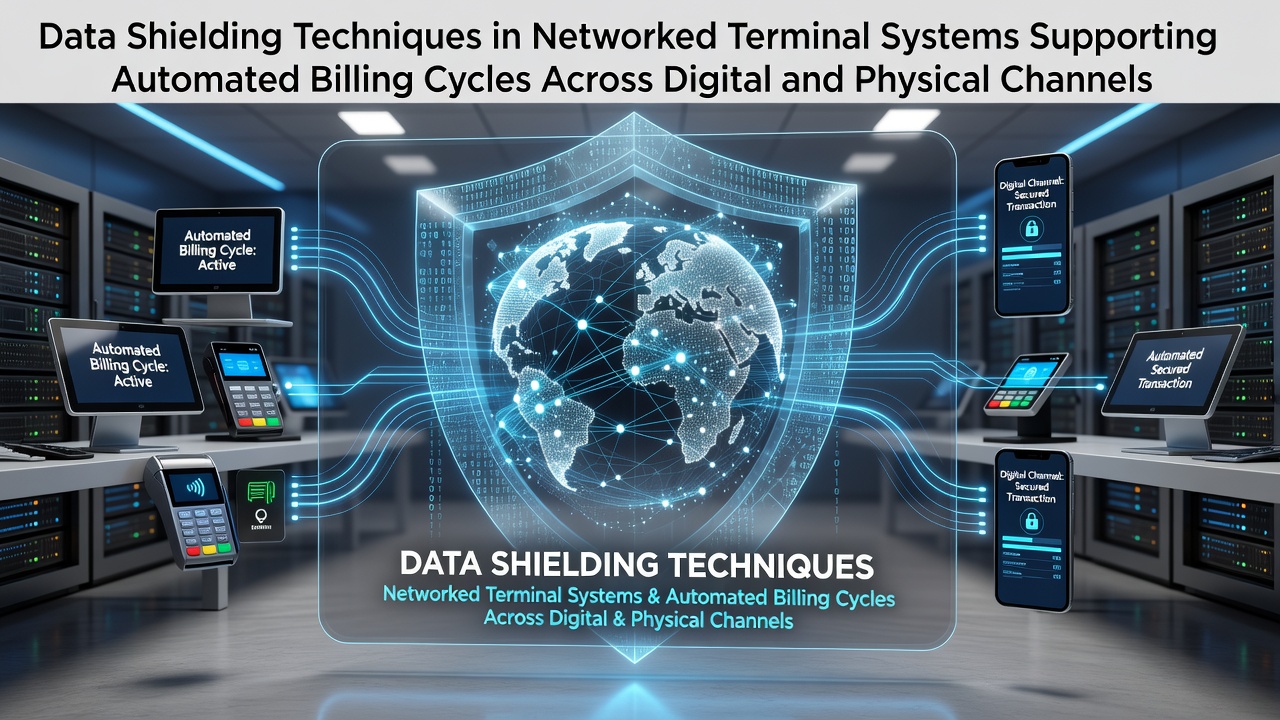
Networked terminal systems handle automated billing cycles by moving sensitive payment data between physical point-of-sale devices and digital platforms, and shielding methods protect that data during transmission and storage. These systems combine hardware terminals with cloud connections to process recurring charges, and shielding relies on established protocols that isolate cardholder information from direct exposure.
Core Shielding Methods in Terminal Networks
Encryption forms the foundation for data protection in these environments, where point-to-point encryption secures card data at the moment of capture on physical terminals before any network transit occurs. Tokenization replaces actual account numbers with unique identifiers that hold no value if intercepted, and this substitution occurs through secure vaults managed by payment processors. Researchers at institutions like Carnegie Mellon University have documented how combined encryption and tokenization reduce exposure windows in hybrid systems that support both in-store and mobile recurring transactions.
Access controls limit which network nodes can retrieve billing details, and multi-factor authentication gates administrative functions on terminals. Firewalls segment traffic between physical devices and digital billing engines, while intrusion detection monitors for anomalies in automated charge sequences. Observers note that these layered approaches align with PCI DSS requirements, and the PCI Security Standards Council provides detailed implementation guides that address terminal-to-cloud data flows.
Handling Digital and Physical Channel Integration
Physical terminals capture data through card readers or contactless interfaces, and that information routes through shielded gateways before reaching automated billing software. Digital channels such as mobile apps or web portals feed into the same systems, yet shielding techniques remain consistent across both. End-to-end encryption applies uniformly, and token services normalize data formats so recurring cycles execute without exposing primary account numbers in either environment.
Network segmentation keeps physical device traffic separate from broader corporate networks, and this isolation prevents lateral movement during potential incidents. In June 2026, several regional payment networks began rolling out updated terminal firmware that strengthens these segmentation rules for recurring billing support. Studies from the European Union Agency for Cybersecurity indicate that such measures have lowered incident rates in mixed-channel retail setups by measurable margins when properly configured.
Supporting Automated Billing Cycles
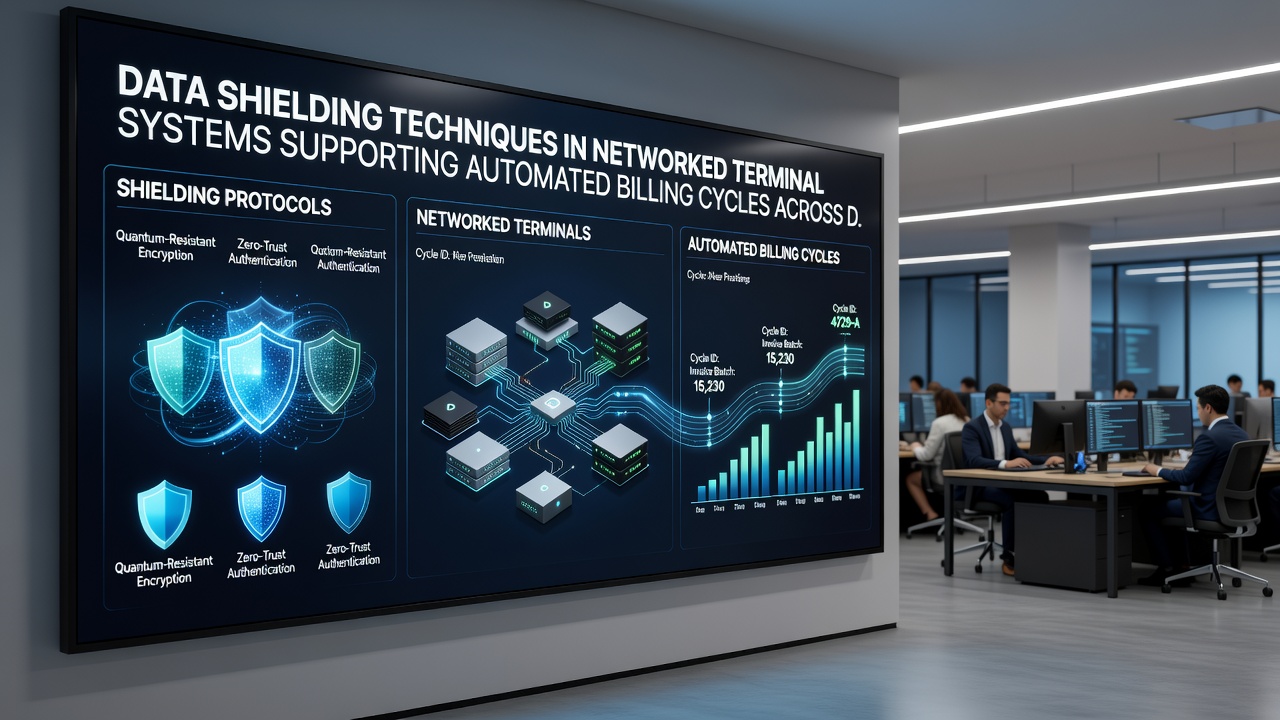
Recurring charge automation depends on stored credentials that shielding techniques keep protected through continuous token rotation and key management. Terminals sync with central systems on scheduled intervals, and each exchange uses fresh session keys to prevent replay attacks. Data masking further obscures non-essential fields during internal processing, while audit logs record access without retaining full card details.
Those who manage large-scale deployments report that integrating shielding directly into terminal firmware streamlines compliance checks for automated cycles. Regular key rotation schedules, often set at 90-day intervals, maintain forward secrecy across both physical and digital touchpoints. Government sources such as the Australian Cyber Security Centre have published frameworks that detail how these practices apply to retail ecosystems handling periodic payments.
Challenges in Multi-Channel Environments
Legacy terminals sometimes lack native support for modern shielding protocols, and bridging them to current billing platforms requires middleware that maintains encryption standards. Bandwidth constraints on physical networks can affect real-time token validation during peak automated cycles, yet caching mechanisms with time-limited tokens address this without compromising protection. Cross-border transactions add regulatory layers, and shielding solutions must accommodate varying data residency rules while preserving cycle continuity.
Updates to terminal operating systems in mid-2026 incorporated enhanced shielding modules that better handle concurrent digital and physical inputs. Industry reports show these enhancements have supported smoother transitions for merchants running mixed automated billing without service interruptions.
Conclusion
Data shielding in networked terminal systems relies on coordinated encryption, tokenization, and access measures that protect information across physical and digital channels during automated billing operations. Implementation follows established standards from bodies like the PCI Security Standards Council and regional cybersecurity agencies, and ongoing firmware developments continue to refine these protections for recurring transaction environments. Organizations that apply these techniques consistently maintain data integrity while supporting uninterrupted billing cycles in connected retail settings.